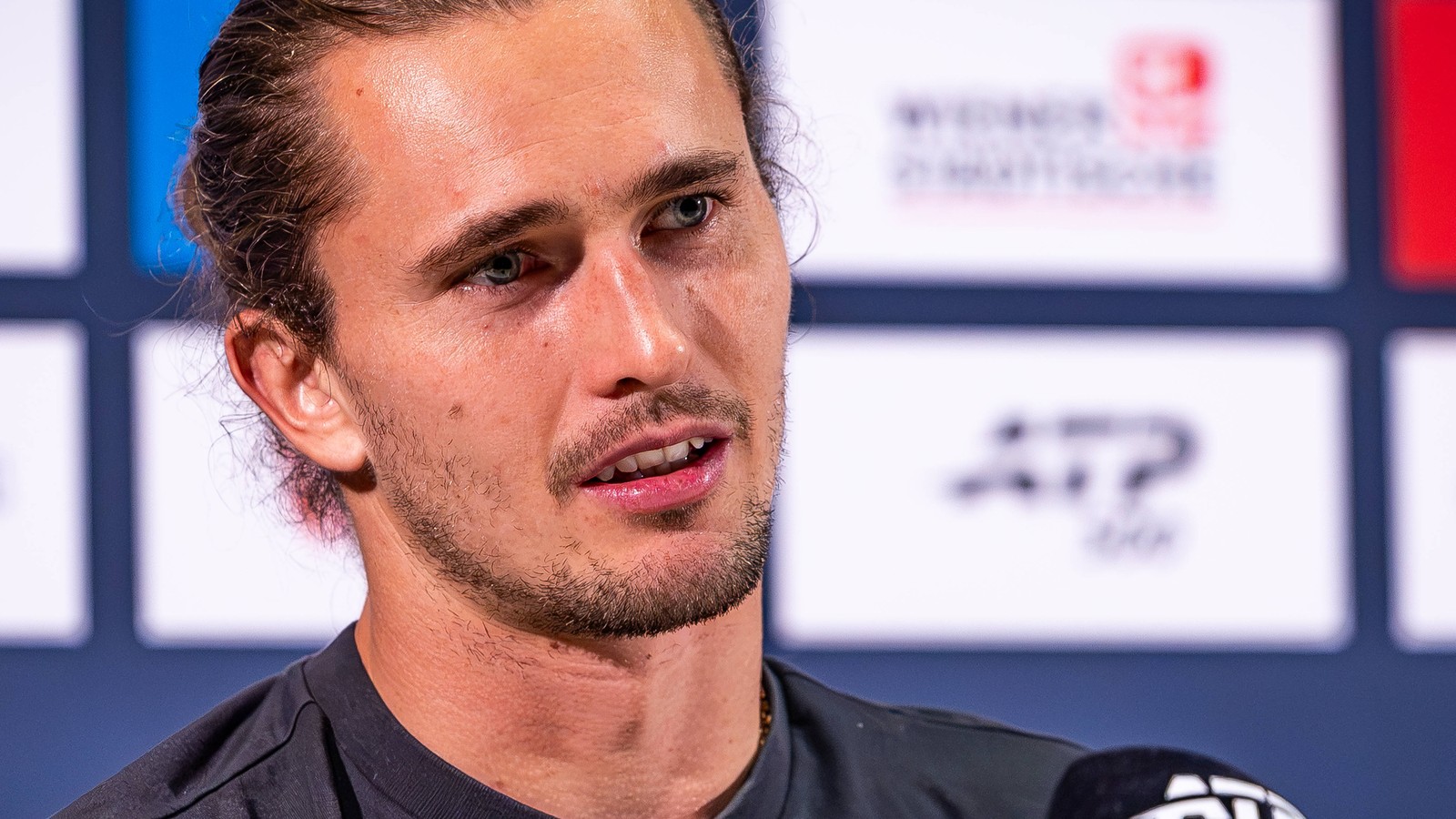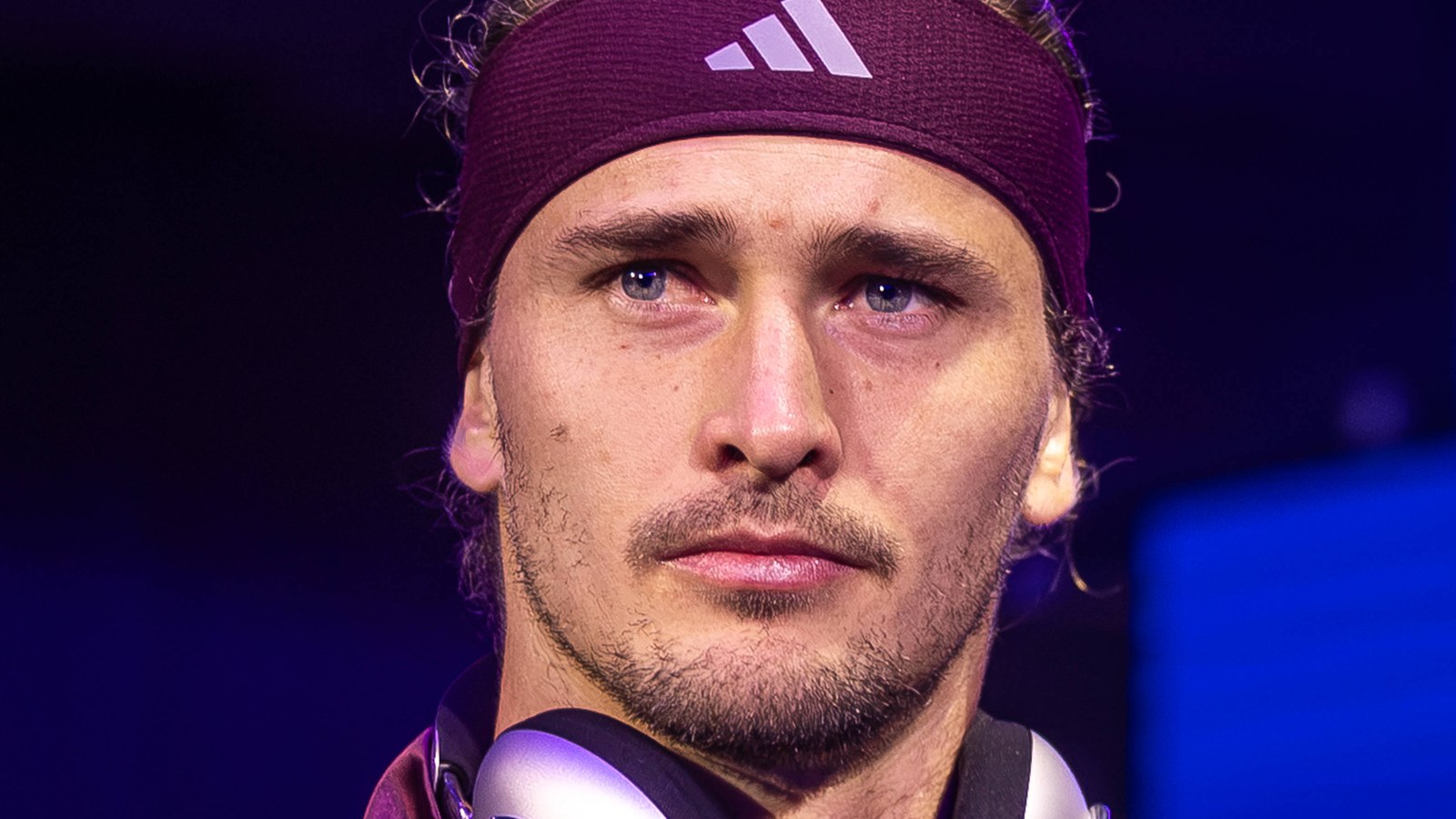
Roger Federer says Alexander Zverev’s two Grand Slam titles were “long overdue”, and that the people around the German had been telling him for years to be braver from the back of the court.
Federer has not hidden the fact that tennis is still part of his daily life. In an interview with Sports Illustrated Germany, reported by Tennis365, he said: “I just love watching tennis. That will never change for the rest of my life.” He added that he rarely misses a Grand Slam match and enjoys following the new generation.
“Too passive” in the big moments
The most pointed remarks were about Zverev’s old weakness. As Tennis365 quotes him, Federer said that “in the moments that mattered, he often tended to become too passive”. The cure, in his telling, was never a secret: “Many others, myself included, had advised him for years to be more aggressive from the baseline.”
That is a notable line from a man who played Zverev seven times between 2016 and 2019. Zverev won four of those meetings, including at the Shanghai Masters, the ATP Finals, the Canadian Open and Halle. Federer took three, at the ATP Finals, Halle and the Italian Open, and his last win over the German came in 2017. By the time they met, Federer was declining and often injured, so the head-to-head says little about the quality of the advice. It does say that Federer saw at close quarters how Zverev played the key points.
What changed in 2026
According to Federer, the difference this year is courage. “Zverev dared, playing courageously even in important matches,” he said. “Given his ability, these two Slam titles were long overdue.”
Those two titles are Roland Garros and the US Open, which turned Zverev into a two-time major champion in 2026. They sit alongside his rise to world No 1 this autumn, a climb that makes Federer’s verdict timely.
The counter-view
Not everyone is as generous. Boris Becker has said Zverev has not won over Germany, and Zverev replied that Becker was “looking for anything” to put him down, as we reported earlier this week. Zverev also admitted before the Paris Masters that being No 1 comes with questions he feels he has to answer, a theme we covered in his first match at the top.
Federer’s view is different in tone. He frames the breakthrough as the delayed arrival of something obvious rather than a surprise, and he frames the advice as shared by many people, himself included. The suggestion is that Zverev needed to trust his own weapons, not learn new ones.
Why it matters
Zverev’s critics have long said his game was built to avoid losing rather than to win. If Federer is right, the shift to a more aggressive baseline game is what turned a perennial contender into a two-time Slam winner, and it is what he will need to defend in 2027 now that he has a ranking, and a target, to protect. The next test is whether he keeps swinging when the pressure is highest.
Subscribe to Punditfeed on Google News for all the latest updates from the world of sports!