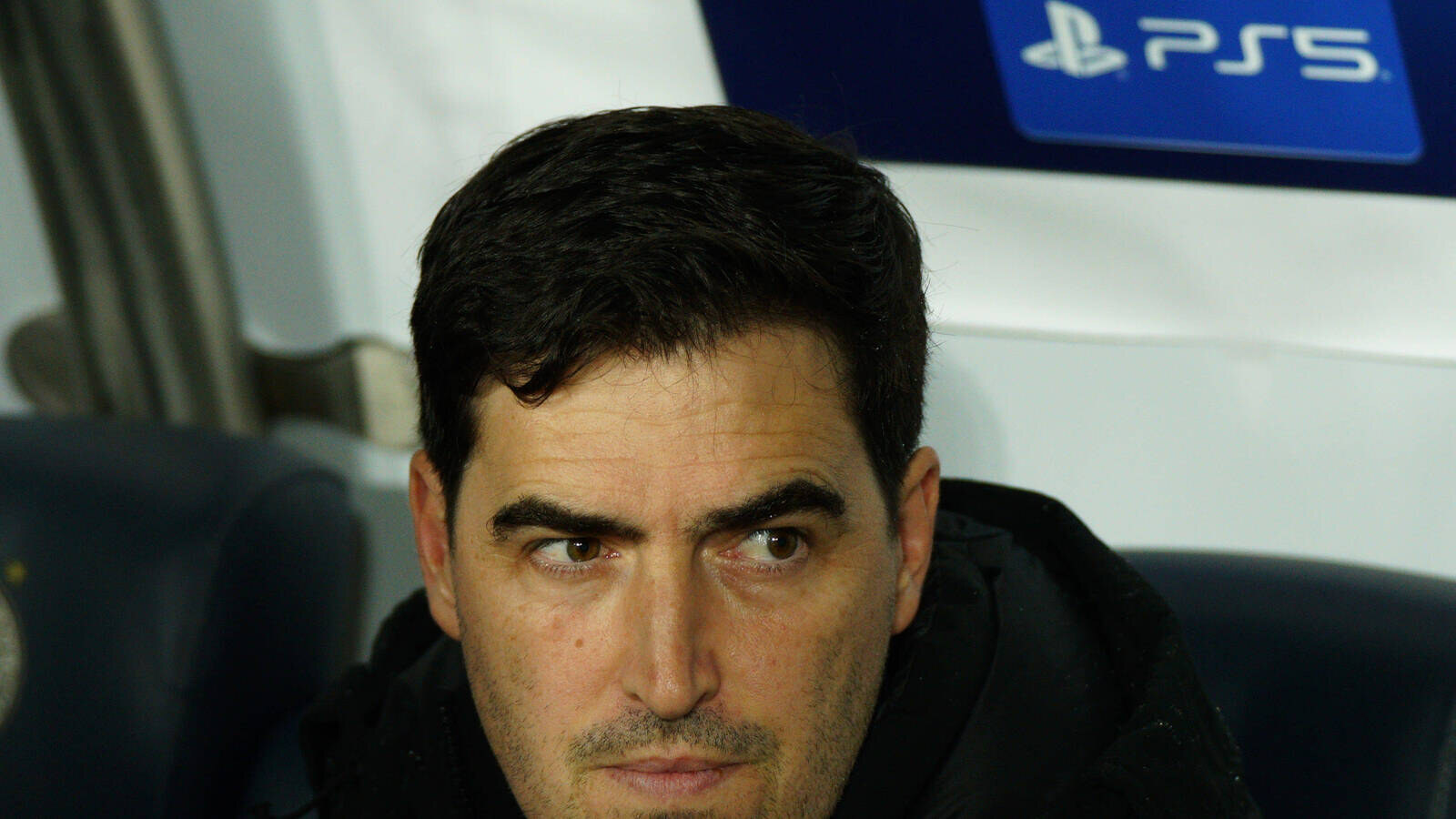
Stephen Warnock says Liverpool “look like they can concede at any moment” after losing 3-2 at Fenerbahce. Andoni Iraola has a different diagnosis: “cheap” and “messy” goals, and a stadium too loud to talk in.
Liverpool twice led in Istanbul, the second time through Alexander Isak after 69 minutes, and still lost. All three Fenerbahce goals came from set-pieces. It was, as the BBC reported, an unwanted slice of history: the latest Liverpool have ever gone ahead in a major European game and then been beaten. It also meant two defeats in four days, after the loss to Arsenal at Anfield on Sunday.
Warnock: the same problem keeps coming back
Warnock, a former Liverpool defender who was working for Match of the Day, did not treat the result as a one-off. “It feels like a step back from what we saw against Arsenal because everyone thought, OK, we are seeing huge improvements from Liverpool,” he said.
“The biggest issue is that this keeps on happening, with Liverpool looking like they can concede at any moment and being so open on the counter-attack. There is a repetitive theme of the goals they are conceding and it undoes all the good work they do when they go forward.”
His sharpest point was the comparison with the team that had just beaten them. “When you go ahead, twice, away from home at Fenerbahce in the Champions League then, if that is Arsenal they win that game – they see it out against a team like Fenerbahce,” Warnock said. “Liverpool don’t have the ability to do that at the moment, and that is what is really frustrating.”
Iraola: individual errors and a noisy night
Iraola’s explanation was narrower. Of the goals, he said: “They are cheap goals. They are messy goals.” Mason Greenwood’s free-kick, he noted, was “quite far also and it’s through the wall”, and the third, from a long throw and a long ball, came after the first phase had been controlled.
He pointed to the second goal, where Cody Gakpo’s header went past Alisson for Archie Brown to tap in. “In the stadium it was almost impossible to communicate because it was so noisy. It was even difficult for me to give any kind of instruction. I suppose the communication between Ali and Cody was difficult,” Iraola said.
Where the two views meet
These explanations are not contradictory, but they ask different questions. Iraola is describing how three goals happened. Warnock is describing why they keep happening. The first is a matter of detail; the second is a matter of structure.
The evidence is mixed. Greenwood’s equaliser took a deflection off Jeremy Jacquet, which is bad luck rather than design. But the second and third goals involved Liverpool players failing to deal with a looping ball and a long throw, and Warnock’s point about game management stands on its own: Liverpool had the lead twice and could not keep it.
The match also came after a team-sheet with many changes, which Warnock acknowledged. Even so, he said the mistakes “from set-pieces or simple balls into the box are not good enough”. That fits the view put on this site after the Arsenal game, when Jamie Carragher and Gary Neville praised the champions’ defending, in our report on their verdicts. The contrast between the two sides’ back lines was already part of the debate before Istanbul.
Dirk Kuyt, the former Liverpool forward who was in charge of Fenerbahce on an interim basis, said afterwards: “We made a miracle tonight – not many expected us to win.” For Liverpool the lesson is more prosaic. Warnock asked where the solution is, and finding it is what he says Iraola is trying to do.
Subscribe to Punditfeed on Google News for all the latest updates from the world of sports!