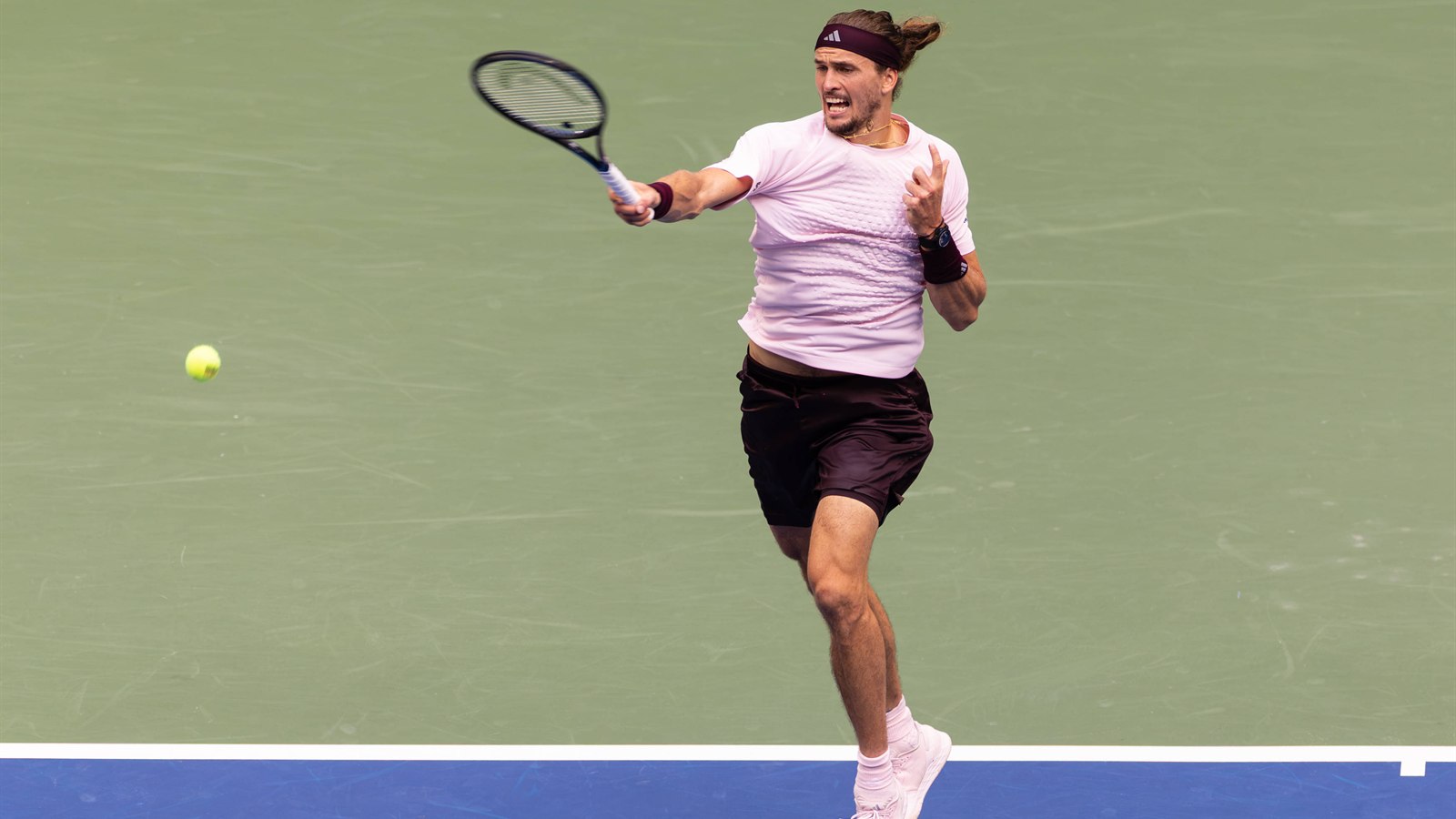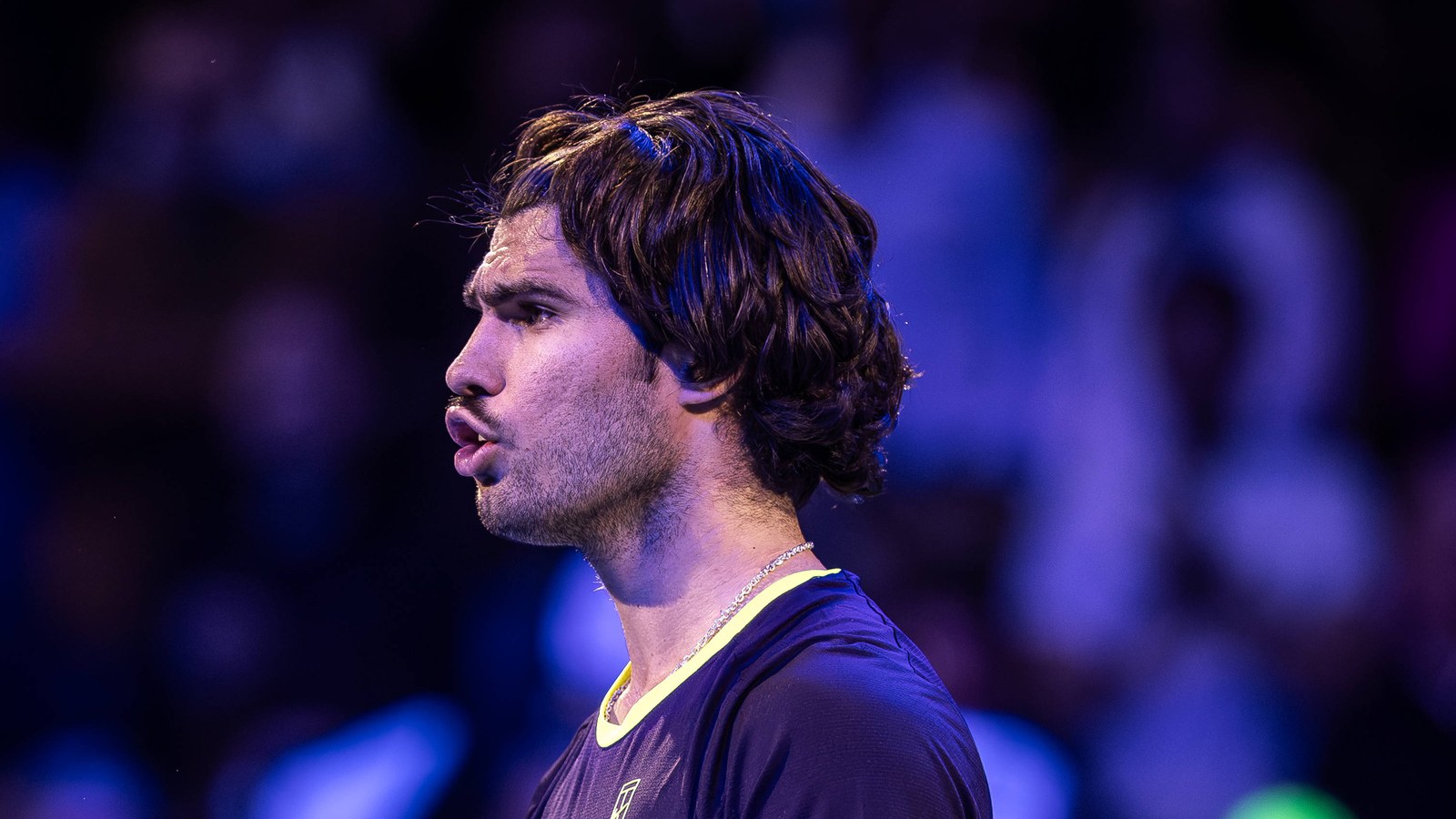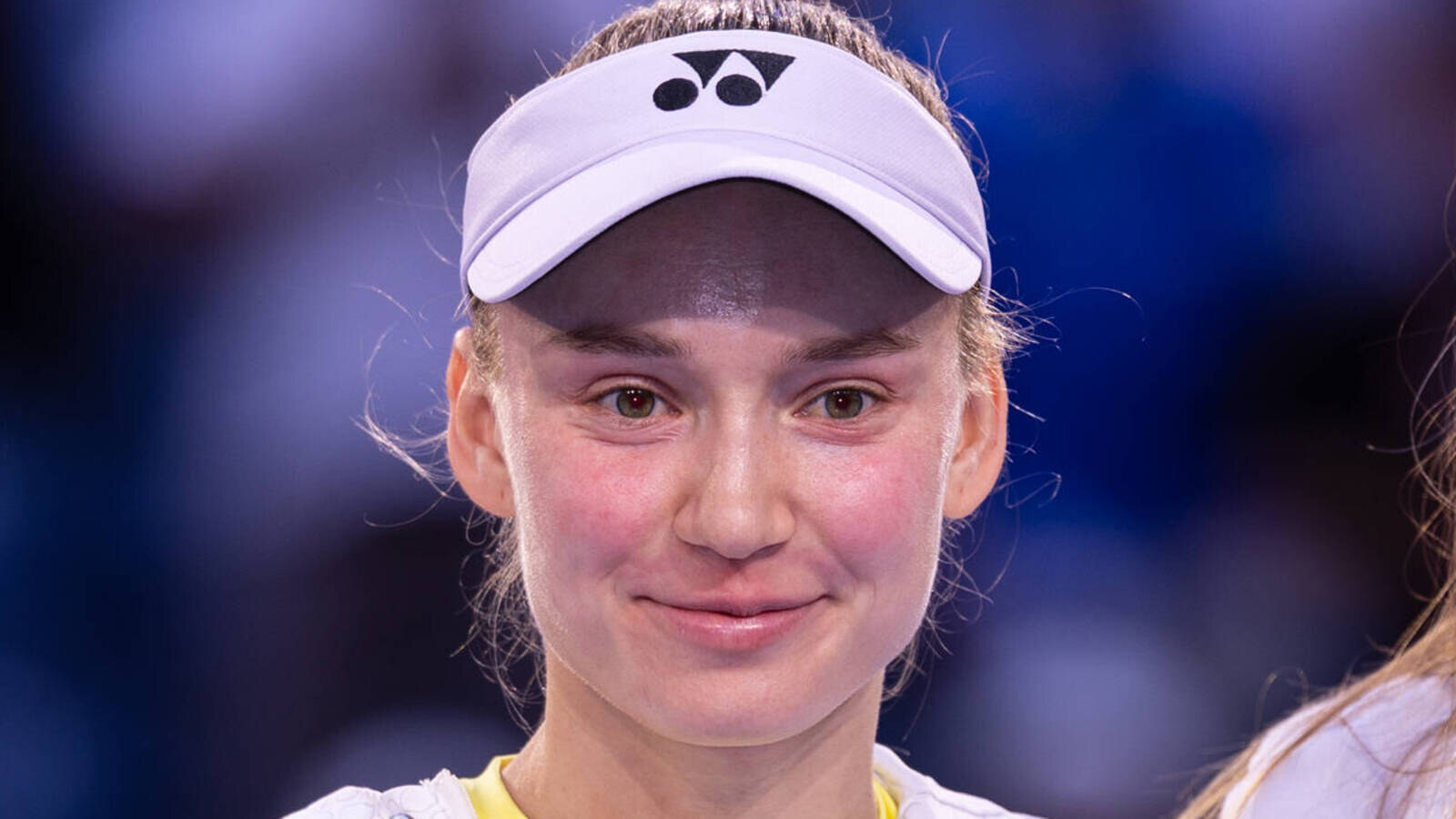
The WTA Finals move to Indian Wells for the first time this year, with Elena Rybakina arriving as defending champion and new world No 1. Here is how the event works and what to watch.
How the WTA Finals work
Eight singles players qualify through the Race to the Finals, along with eight doubles teams. The singles field is split into two groups of four and each player plays the other three in a round-robin. The top two in each group go through to the knockout stage, which means a player can lose a group match and still reach the semi-finals.
That format rewards a strong start but forgives a bad day, which is why seeding matters. The top seed, Rybakina, sits in Group 1 alongside fourth seed Coco Gauff, fifth seed Jessica Pegula and eighth seed Linda Noskova. The tournament runs from 8 to 15 November.
Why Rybakina is the story
Rybakina, 27, has had one of the strongest years on the women’s tour. She won the Australian Open and the US Open, beating Aryna Sabalenka in both finals, and has won four titles in 2026, the latest at Ningbo. She became world No 1 in September, and on 29 October she secured the year-end No 1 ranking with a win over Yulia Putintseva in Tokyo, which means she cannot be overtaken before the season ends.
“It means a lot. This is something we worked for with the team,” Rybakina said at the time, as reported by the BBC. “It’s an amazing achievement and hopefully we can continue this way next year.”
She is also the defending champion. Last year she beat Sabalenka in the final of the WTA Finals, a result she then repeated in the Australian Open final in Melbourne.
A year of peaks and dips
The season was not a straight line. Rybakina beat Sabalenka in three sets in Melbourne, won the Stuttgart title on clay, then went out early at the French Open and Wimbledon. She reached the Toronto final, where she lost in straight sets to Swiatek, and she arrived at the US Open without a full week of training before beating Zheng Qinwen in the quarter-finals on her way to the title. It is a record of someone who peaks at the right moments, which is exactly what a week-long round-robin tests.
The Sabalenka factor
Sabalenka is the rival who frames the contest. She lost to Rybakina in Melbourne and New York, but she beat her in the Indian Wells final earlier this year and again in the semi-finals in Miami. The tour is now returning to Indian Wells, where Sabalenka has had the better of the recent meetings.
What to look for
- Group 1 depth. Gauff, Pegula and Noskova are all capable of beating Rybakina on a given day, and Rybakina has had injury issues this year, including a left ankle problem that forced her to retire from her Cincinnati Open quarter-final against Swiatek.
- Back-to-back titles. Rybakina won the event last year, so a second successive title would cap a season that has already brought two Grand Slams.
We also followed the race for the last place in the field, in our WTA Finals race piece, and the debate over Iga Swiatek’s decision to stop, on which Kim Clijsters and Andy Roddick agreed for different reasons, in this analysis.
Subscribe to Punditfeed on Google News for all the latest updates from the world of sports!