Andy Roddick used his podcast to defend Gauff after a disputed point at the China Open. His anger is clear; the harder question is who the abuse comes from.
Andy Roddick is one of tennis’s most outspoken ex-players, and on his podcast Served he turned that candour on the online abuse directed at Coco Gauff. According to Yardbarker, in a report last updated on 13 October, Roddick’s message was blunt: “She didn’t cheat. She did nothing wrong.” And then: “This is disgusting. It has to stop.”
What happened on court
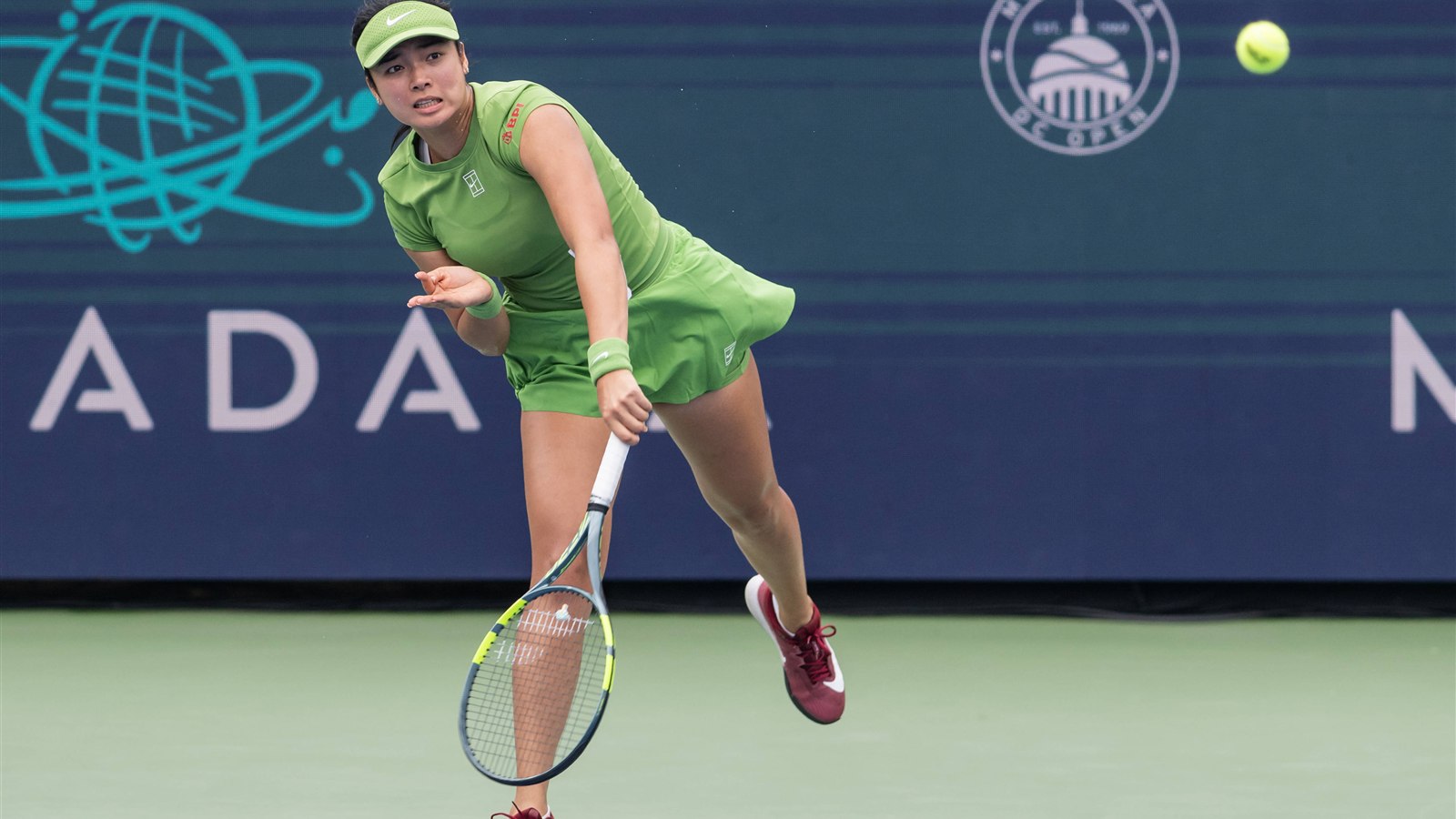
The incident came during Gauff’s 7-5, 6-1 win over Xinran Sun at the China Open. Play was halted during a point when an advertising board malfunctioned. Gauff then mistimed a shot, hit the ball, and raised her hand. The umpire sided with her, and some fans accused her of cheating.
Roddick’s reading was measured on the tennis itself. He accepted that the timing was awkward, as can happen in tennis, but said Gauff had only asked a question about the situation. In other words, his defence rests on a specific point: seeking clarification from the umpire is not the same as gaining an unfair advantage. The umpire’s ruling in her favour supports that reading, though anyone watching live will have had their own view of the sequence.
Where the pundit’s anger goes
The strongest part of Roddick’s argument is not about the point at all. He directed his criticism at those sending abuse, describing racist insults and wishes of serious illness on a player over a match. It is the sort of intervention that could easily become a rant; it works because it is limited to the behaviour rather than to any tennis opinion.
That matters because the report suggests the tennis dispute and the abuse are two separate things. One can think the point was messy and still regard the response as indefensible. Roddick’s framing, that a legitimate sporting debate does not excuse what followed, is the one that deserves the most attention.
The counter-view: who is actually sending it?
The report offers a complication. The journalist Jon Wertheim suggested that some of the accounts may be bots and that anonymous abuse goes unpunished. The article does not name the people responsible, and it describes them only as trolls and online critics. That is a significant caveat for anyone tempted to treat the abuse as a reflection of tennis supporters at large.
It also sharpens the practical question. Anger at anonymous accounts is cheap if platforms do not act. Roddick says it “has to stop”, but the mechanism for stopping it lies with the social networks and, to a degree, with the tours, not with the commentators who condemn it. Wertheim’s point, as reported, is that impunity is the problem.
The consequence
The report says Gauff will not play at the Wuhan Open this week because of the abuse. It does not quote her, and we have not attributed any words to her. The decision is reported as the consequence, not as her explanation, and we are careful to leave it there.
The wider response has been serious. We reported on the UN Human Rights office’s condemnation of the abuse, which gives some sense of how far this has moved beyond a podcast segment. It has also added weight to a long-running argument inside tennis about whether players should have to handle this alone.
The takeaway
The point about the rules, whether a raised hand during a halted rally gives an advantage, will be argued over for a few days and then fade. The point about abuse will not. Roddick has done what a high-profile voice can do, which is to say clearly that a line has been crossed. Whether anyone with the power to enforce one is listening is the question the tour now has to answer.
Quotations are taken from the Yardbarker report linked above. Roddick’s full remarks contain strong language, which we have not reproduced.
Subscribe to Punditfeed on Google News for all the latest updates from the world of sports!