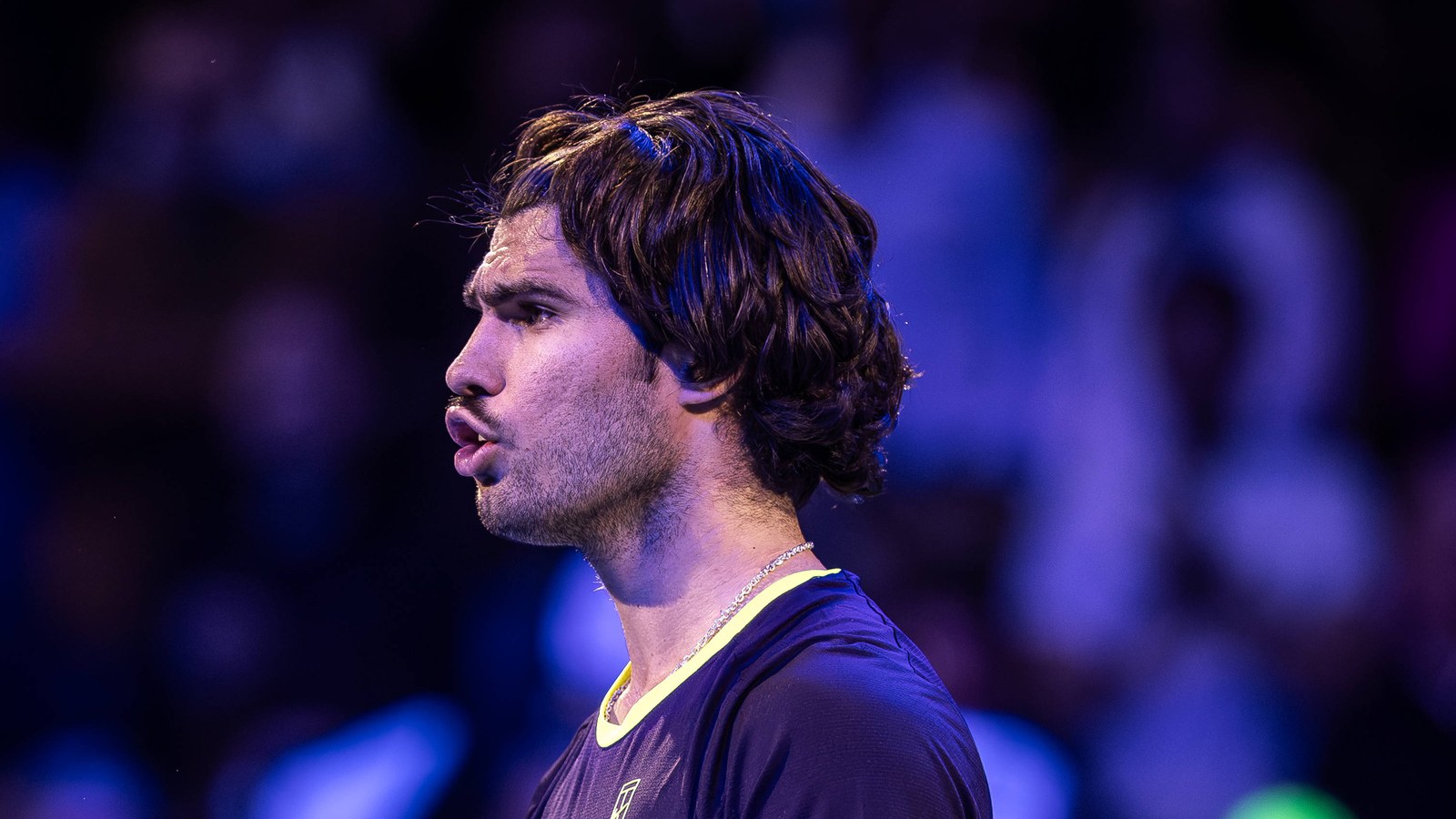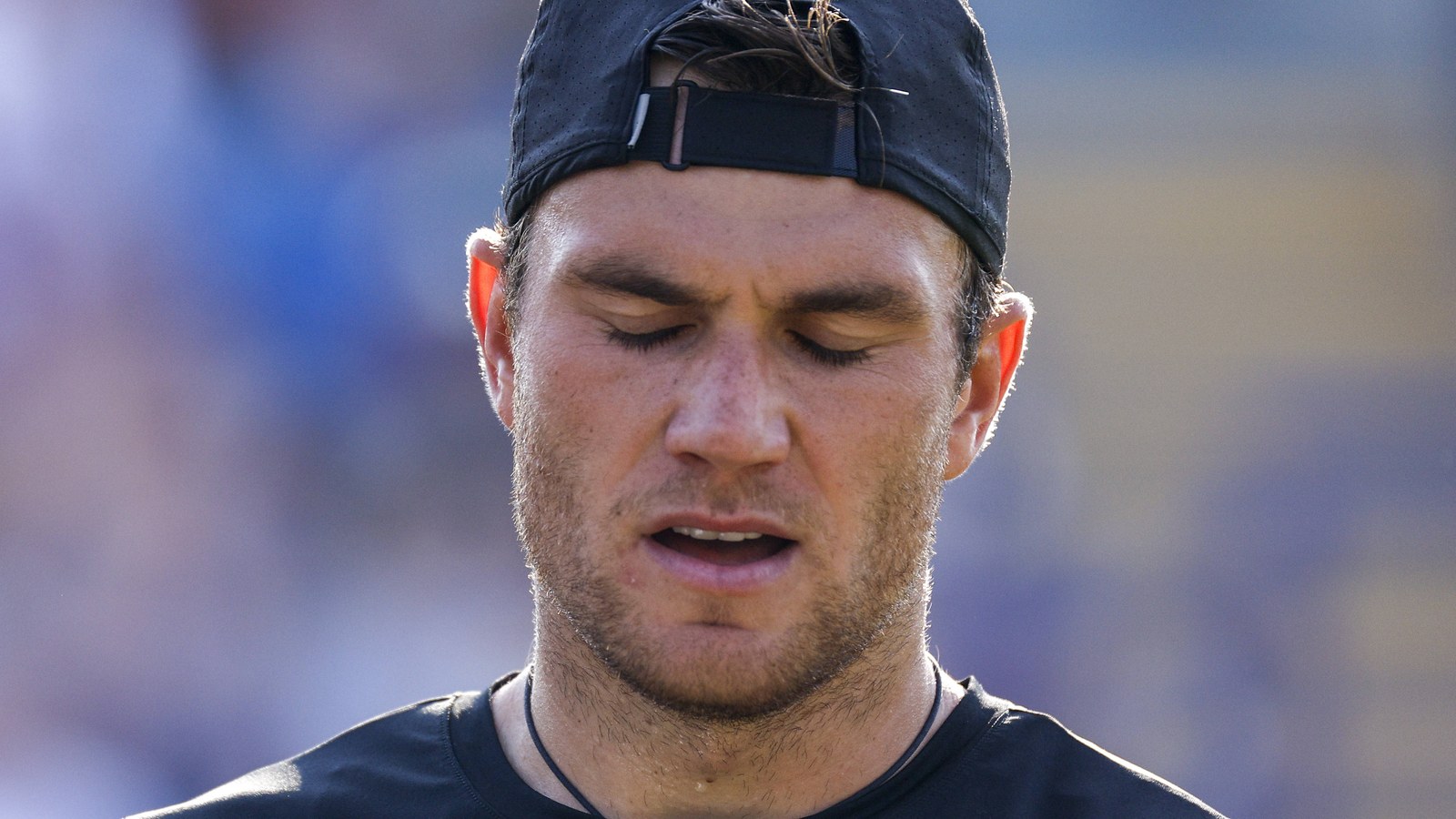
Jack Draper has played 15 matches in 2026, and he has a theory about why so many players are breaking down: the sport’s own decisions. In an interview with Bagel Magazine, he said tennis “is not in a good place”.
Draper’s season has been defined by injury again. According to Tennis365’s report of the interview, he has not played a competitive match since losing in the first round at Cincinnati to Martin Landaluce, and he sits at No. 157 in the ATP rankings. That makes him an interested party, but also someone who has seen the cost of the schedule at first hand.
“Longevity is something that I want”
Draper said he intends to manage his programme carefully. “I’ll definitely look after my schedule as best as possible. Longevity is something that I want to achieve. I want to be playing for a long time,” he said.
But he argued that the structure of the rankings pushes young players the other way. “There’s a lot of young tennis players now looking at the tour schedule and people say, ‘Oh, you don’t need to play every week’, but at the end of the day, young players want to be number one. And to do that, you have to play week in, week out,” Draper said.
“A whole generation in danger”
His sharper point was aimed at the people running the game. “There’s been a lot of money-making decisions in tennis, especially from higher up. And although there’s been a lot of good stuff going on, they’re really putting a whole generation in danger, getting injured all the time,” he said.
He then added the style-of-play argument: “It’s more to do with the nature of the way the game’s going as well: slower courts, slower balls and then athletes getting better. So it’s not in a good place.”
A familiar argument, with a new voice
Draper is not alone. This weekend we covered Alcaraz blaming the tour while Zverev called for a shorter season. Those two come at the problem as top players with something to protect; Draper comes at it as a player whose body has stopped him competing.
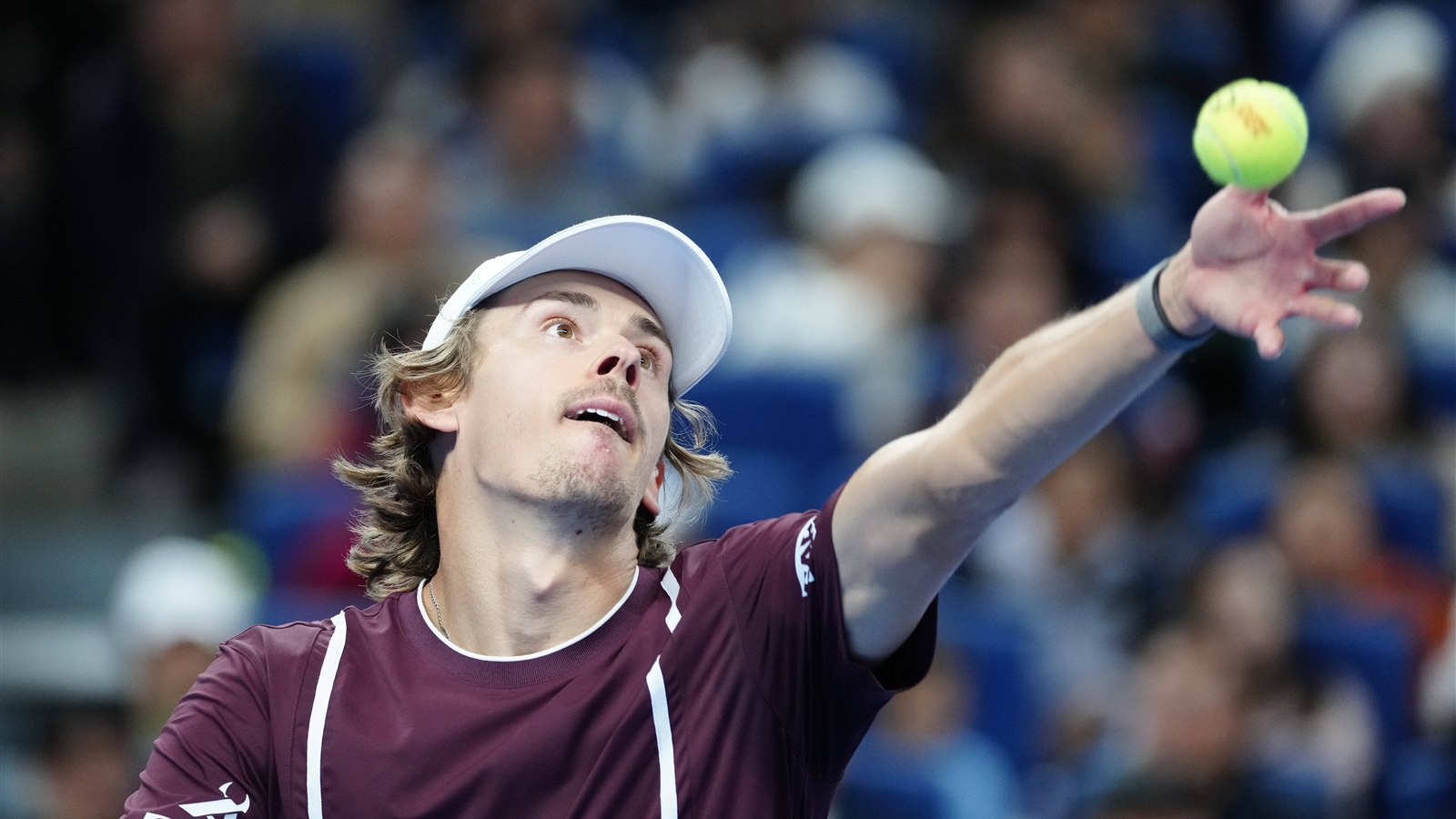
The slower-courts point also echoes Zverev’s complaint after his Vienna defeat to Alex de Minaur. Draper puts slower courts and slower balls alongside athletes getting better, a combination that tends to produce longer rallies and a heavier physical load.
The counter-view
The case against is that injury has always been part of the sport, and that players who choose to play more are making a choice. Draper’s own phrasing also leaves room for interpretation: he says young players want to be number one and so have to play week in, week out, but he also blames decisions made from higher up. Those are two different complaints, one about the incentives and one about the structure.
There is also the question of what players can do themselves. Draper says he will pick his schedule carefully, which is exactly the advice he says young players hear and cannot follow while chasing No. 1. The distinction is between what individuals can control and what only the tours can change.
For Draper, the practical question is whether he can stay fit enough to test the argument. He is expected to be back in 2027, but has not named his first tournament, and is not in Great Britain’s squad for the United Cup. If he returns healthy and plays a lighter schedule, his case will be harder to dismiss. If he does not, it will look like the warning he is describing.
Subscribe to Punditfeed on Google News for all the latest updates from the world of sports!