The only goal of Sunderland’s 1-0 win over Chelsea on Sunday came from a penalty, and by the end of the night a pundit, a goalkeeper and a manager had given three different accounts of it.
Sky Sports pundit Jamie Carragher believed the penalty against Levi Colwill was “always a foul”, his reading being that Colwill allowed Brian Brobbey to get in front of him (as reported by Roundtable Sports on Yahoo). Chelsea goalkeeper Mike Penders saw it the other way. “For me, it wasn’t a penalty. He barely touched him. I think it was the other way round. He grabbed him,” he told Sky Sports.
The manager sides with the pundit
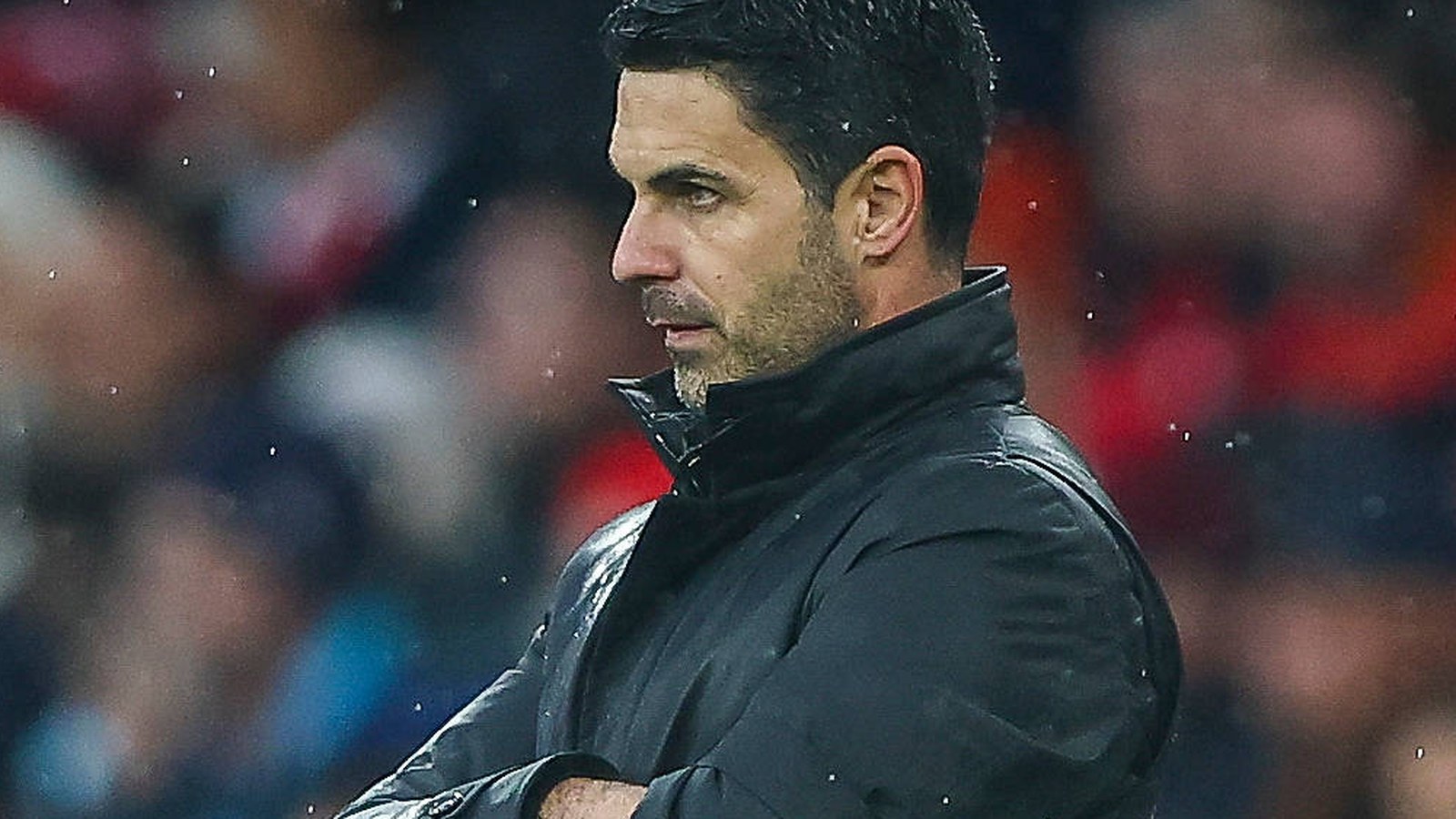
The interesting voice is Xabi Alonso’s, because he chose not to defend his own player on the decision. “I think it’s an action where he can defend better. It’s our mistake,” the Chelsea manager said. He refused to blame the officials, which in effect put him closer to Carragher than to his goalkeeper.
Both readings have something behind them. Brobbey’s physicality had troubled Chelsea’s centre-backs, and the report notes that he initiated the contact. Yet Colwill still tripped the forward inside the box, and a defender who leaves his foot in a place where it can be caught is giving the referee a decision to make. Carragher’s point is the one a referee sees first, while Penders’ is the one a goalkeeper behind the play feels.
Why the disagreement matters
The penalty was converted by Enzo Le Fée in the first half and Chelsea could not find a reply. They had most of the ball after the break, but the first 45 minutes had already shaped the result: Sky Sports’ numbers, as quoted in the same report, show Chelsea lost 63 per cent of their duels before half-time. Alonso responded at the break by moving Moisés Caicedo to centre-back and bringing Estêvão Willian on for Colwill.
The first half is where the argument over the penalty gets more interesting. The report describes Chelsea being beaten aerially several times, with both centre-backs and Marco Palestra struggling to handle Sunderland’s pressure. If that is right, Colwill’s foul was the end of a pattern rather than a one-off lapse, and that is a point in favour of Alonso’s reading. It also explains why the manager acted at half-time instead of waiting to see whether the decision would be reviewed in the dressing room.
Attack was the other problem. The same report notes that João Pedro has missed Chelsea’s last three league games and that the team looked more toothless without him, so a one-goal deficit was always going to be hard to undo. A manager who has to coax a goal out of a side short of its main forward has less room to spend energy on a referee’s call.
It was Chelsea’s fourth league defeat in ten games, and the result dropped them to fifth. By declining to blame the referee, Alonso moved the focus onto his team’s defending. A goalkeeper who says his team was hard done by and a manager who says it was their own mistake are not telling the same story going into the break.
Carragher’s “always a foul” is a firm, quick verdict, like the one he gave on another Premier League flashpoint in Carragher and Morrison’s defence of Carrick over Fernandes. Penders’ view is the one a player would naturally take, but it is Alonso’s that decides what Chelsea work on.
Chelsea host Leeds United at Stamford Bridge on 21 November, after the international break.
Subscribe to Punditfeed on Google News for all the latest updates from the world of sports!