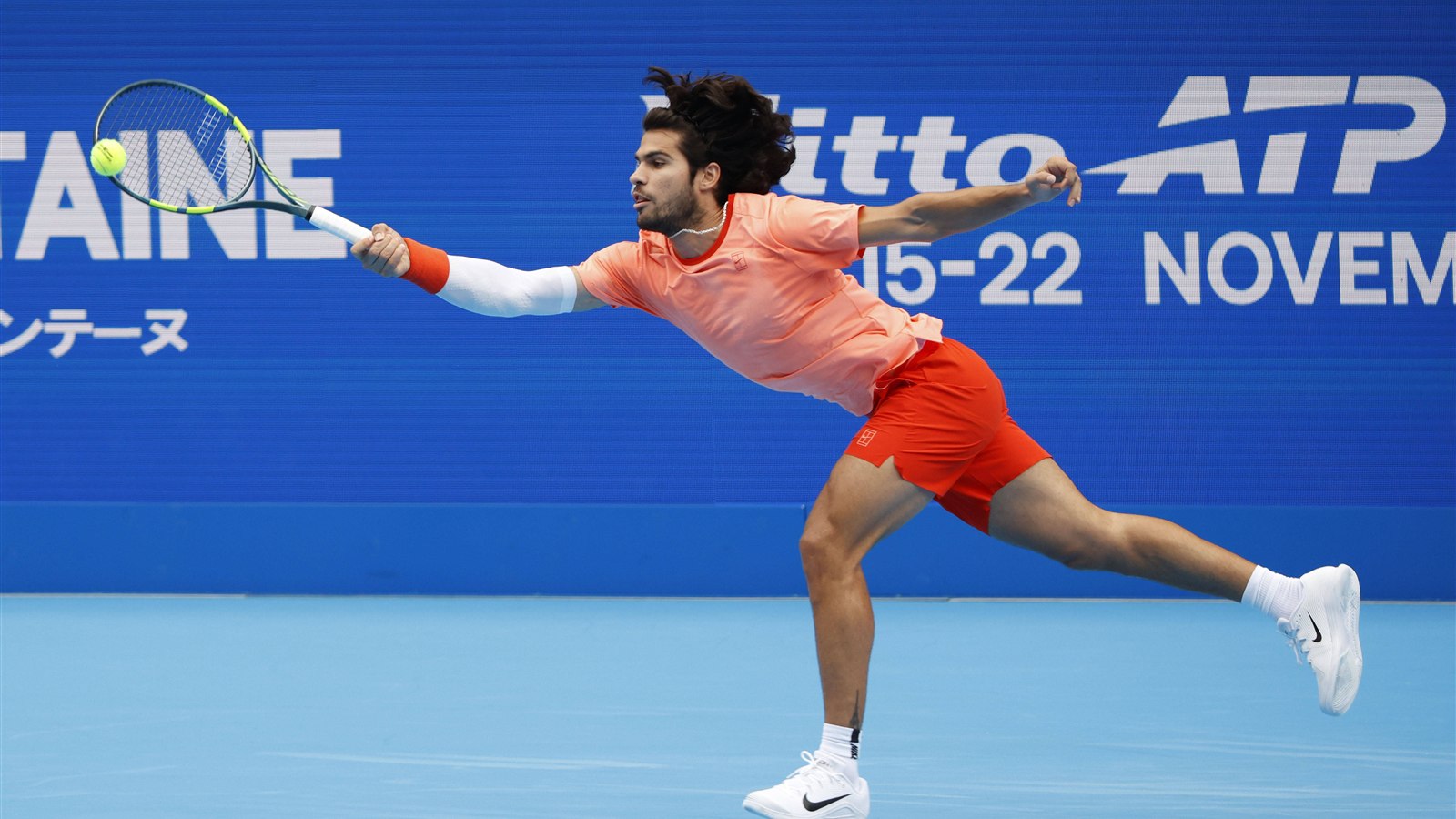
Victor Hanescu has a theory about why Carlos Alcaraz and Jannik Sinner have not dominated 2026 the way they dominated the two seasons before it. “Perhaps they don’t have the same goals, perhaps they lack the ambition to win as much as the Big Three,” the former world No. 26 said, in comments picked up by Tennis365 on Tuesday night. It is a striking claim. Tested against what the two of them actually did this year, it does not hold.
Hanescu was speaking at the Challenger in Olbia, where he is coaching Cezar Cretu, in an interview first published by Ubitennis. He played through the era he is comparing them with, and reached the Roland Garros quarter-finals in 2005. His full argument is worth reading in his own words: “The main difference between the two eras is consistency. From a certain point of view, I understand Jannik and Carlos, because despite their young age, they have already won several important tournaments.”
Two claims, not one
Hanescu is really making two arguments, and they deserve different verdicts. The first is that the current era lacks the consistency of Federer, Nadal and Djokovic, who won 61 Grand Slam titles between them. The second is his explanation for it: that Alcaraz and Sinner are less hungry. The first is a fair observation about 2026. The second is a guess, and the evidence points somewhere else.
What the 2026 record shows
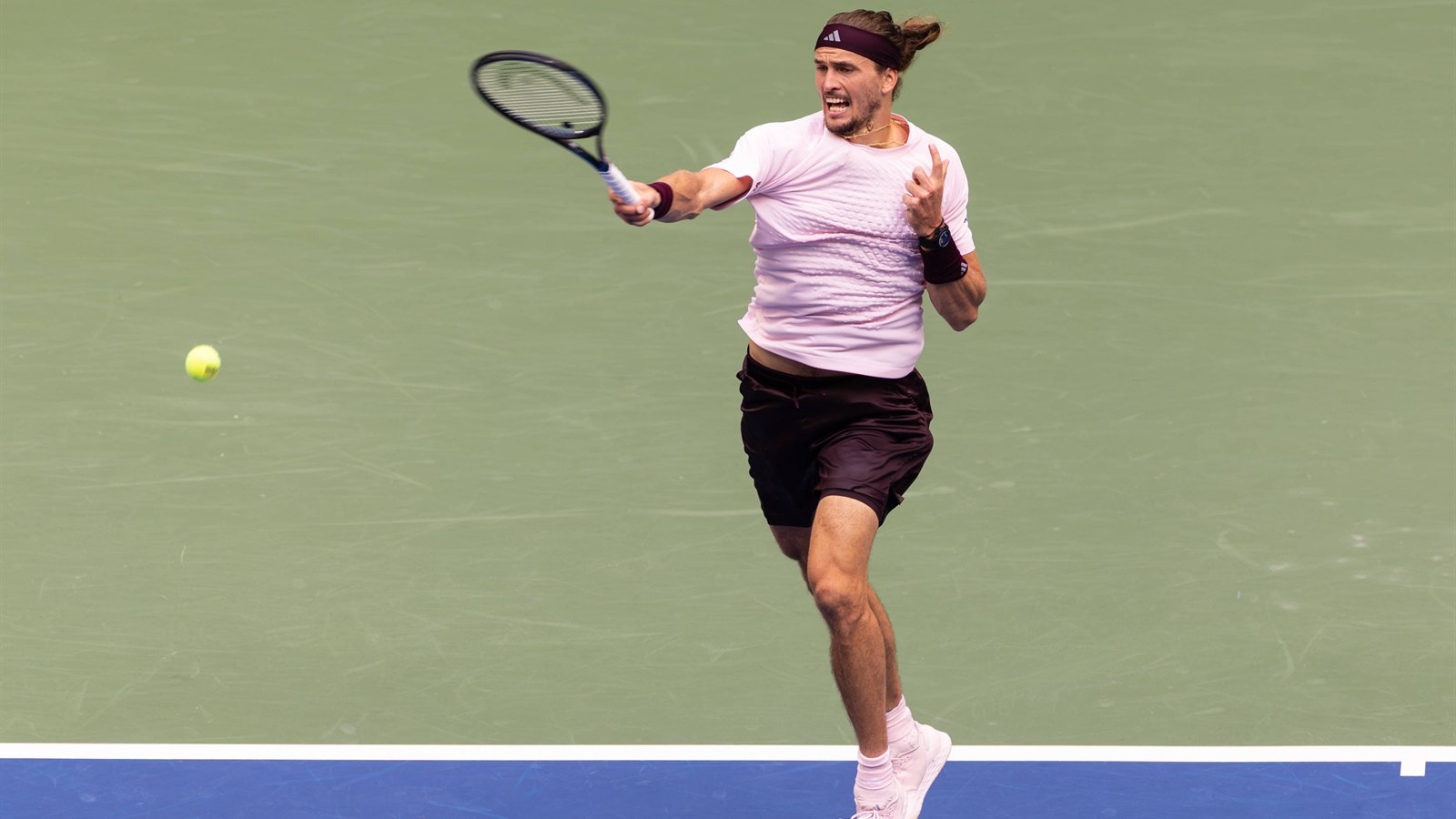
Start with Sinner, because his numbers are the easiest to check. Before his knee stopped him, he played 47 matches this year and won 44 of them, according to Sky Sports. He won six titles: the Masters 1000 events at Indian Wells, Miami, Monte Carlo, Madrid and Rome, then Wimbledon, where he beat Alexander Zverev in the final for a fifth major. He has not played since July. On 6 October his team announced that he would undergo treatment for knee inflammation and miss the rest of the season “to give Jannik the necessary time to recover before beginning preparations for 2027.”
That is not the profile of a player who has stopped caring. A 44-3 record with five Masters titles in one spring is the opposite. The thing that ended Sinner’s year was a knee, and the decision to rest it was made on medical advice, with 2027 in mind.
Alcaraz’s year has the same shape. A wrist injury kept him out of Roland Garros and Wimbledon, as Tennis365 notes. When he came back, he won the title in Tokyo, then lost early in Shanghai to Zizou Bergs, a defeat that started a row about the balls. Missing two majors in a row is a gap in the record, but it is an injury gap, not a motivation gap.
The Big Three had injury years too
Hanescu’s comparison also flatters the past. The Big Three were remarkably durable, but not untouchable. In July 2016, Roger Federer announced that he would miss the Rio Olympics and the rest of the 2016 season to recover from a knee injury. Nobody concluded that Federer lacked ambition. He came back in January 2017 and won the Australian Open.
The fair version of Hanescu’s point is about availability, not hunger. In 2024 and 2025, Alcaraz and Sinner split the eight Grand Slam titles between them, four each. In 2026, injuries took both of them out of big events, and the field filled the gap. Zverev is now guaranteed to finish as year-end No. 1 for the first time. That is a real change in the shape of the tour, and Hanescu is right to notice it.
Where Hanescu has a point
He is right that the late rounds of Grand Slams look more open than they did when, as he puts it, “it was simply impossible to reach the semifinals of a Grand Slam.” He is also right that nobody yet knows whether Alcaraz and Sinner can match the Big Three over 15 years rather than three. That is the question that matters, and it will be answered by their bodies as much as by their hunger.
Our verdict
The claim fails on ambition and half holds on consistency. What Hanescu calls a lack of ambition, the record shows to be a wrist and a knee. A better version of his argument would say this: the new rivalry has not yet proved it can stay healthy for long enough to be compared with the old one. That is a question about durability, and 2027 is when it starts to be answered. For a player who went 44-3, the knee is the issue, not the hunger.
Sources: Ubitennis, Tennis365, Sky Sports.
Subscribe to Punditfeed on Google News for all the latest updates from the world of sports!