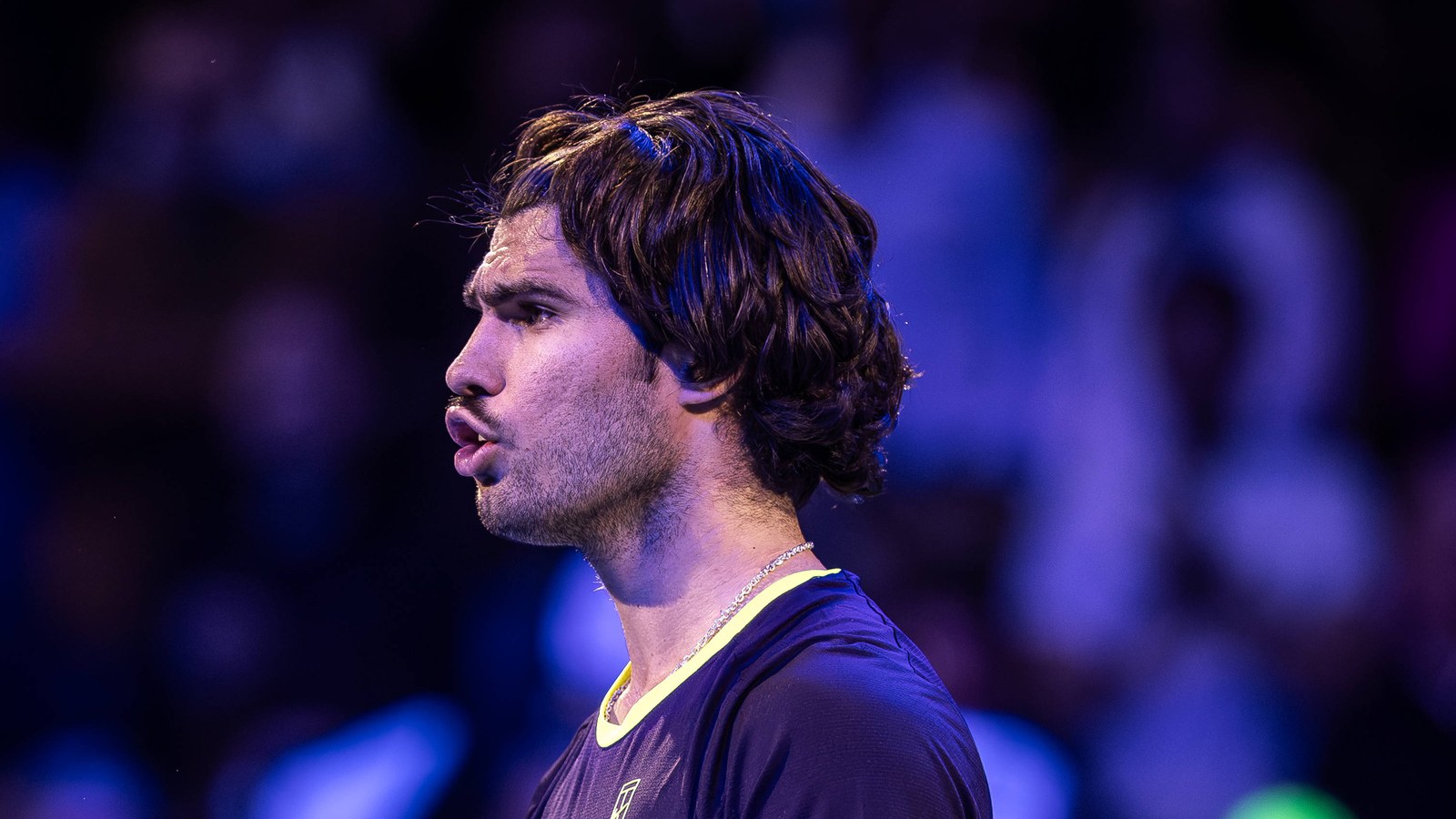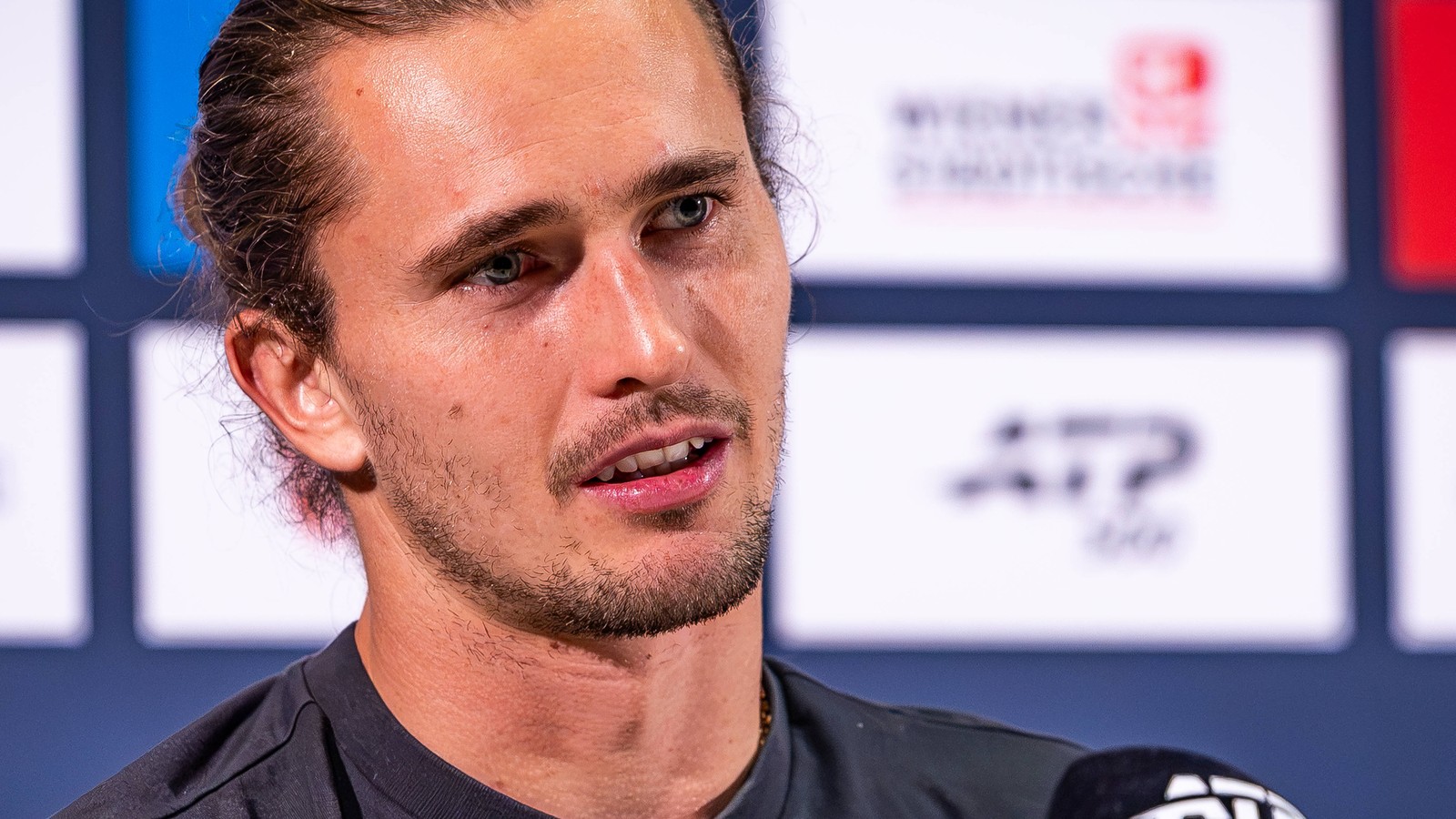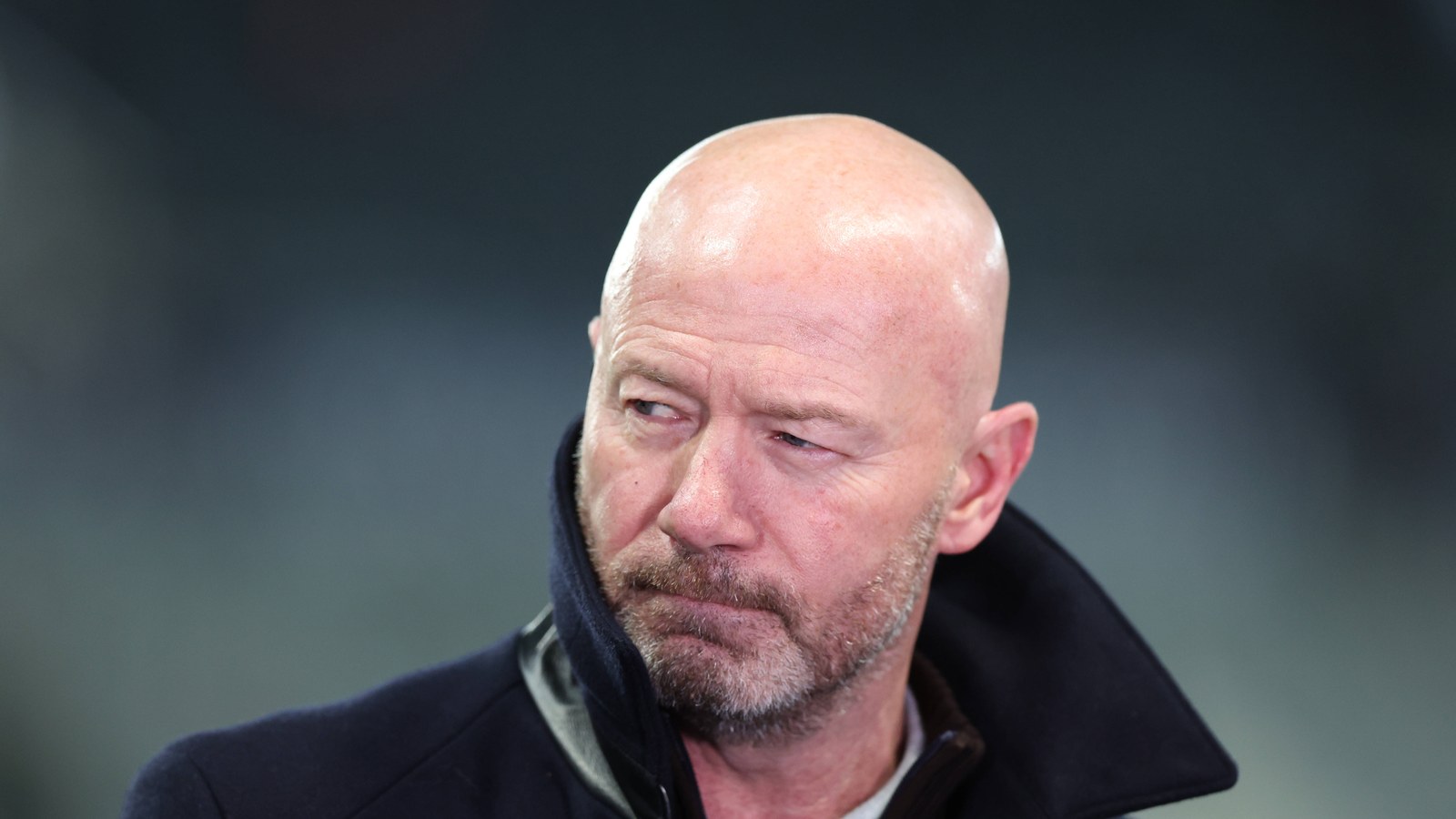
Former Italian player Diego Nargiso says Jannik Sinner’s knee problem was “completely underestimated” and that waiting four months to operate was “a defeat for everyone”. Carlos Alcaraz takes the opposite view: he thinks Sinner’s team made “a good decision”.
Jannik Sinner’s knee surgery has settled one question and opened another. The operation on Tuesday, in Turku, Finland, ended months of uncertainty about the right knee problem that has kept him off the court since he won Wimbledon in July. It also means he is expected to miss the 2027 Australian Open, a tournament he won in 2024 and 2025. The new question is whether it should have happened much sooner.
What Sinner said
Sinner announced the procedure himself, describing it as minor surgery on his iliotibial band, the thick band of tissue that runs down the outside of the leg and stabilises the knee.
“Over the past few months, together with my team we’ve tried everything to treat my injury without surgery,” he wrote. “After some very encouraging progress early on, my knee unfortunately didn’t respond as we’d all hoped, that’s why today I underwent a minor surgery to improve the condition of my iliotibial band.”
Only a fortnight earlier, he had said “The aim is to go to Australia”, and earlier this month he stressed the need to “respect the protocols because if we rush things we could have more serious problems”. The main draw in Melbourne begins on 17 January.
Nargiso: “It was completely underestimated”
Diego Nargiso, who played on the ATP Tour between 1987 and 2001 and now works as a commentator, believes the conservative route cost Sinner time. Speaking to journalist Marco Beltrami, as reported by Tennis365, he was blunt.
“It was completely underestimated, there’s no doubt about that. In cases like this, responsibility is shared by everyone,” Nargiso said. “When you reach July and only make a decision like that in November, four months later, it’s a defeat for everyone: the player, the team and the doctors who took the conservative approach.”
He was careful to say he was not blaming any one person, and that the final call always rests with the player. But he argued that a deadline should have been set much earlier. “At some point, you have to set a deadline for making a decision, because otherwise dragging it out for almost four months does more harm than good,” he said. In his view, the intermittent nature of the problem misled everyone: “it came and went and seemed to be inflammation, problems perhaps linked to overuse.”
Alcaraz: “His team made a good decision”
Sinner’s great rival sees it differently. Asked about the surgery in Bologna, where he is with Spain for the Davis Cup Final 8, Carlos Alcaraz backed the call.
“The decision of making the surgery, I think his team made a good decision,” Alcaraz said, as reported by Tennis365. “He’s young, has a lot of years ahead of him, so I’m pretty sure he’s going to come back even stronger, even better.”
Alcaraz also spoke warmly about missing his rival. “Obviously I’m going to say tennis misses him. I miss him. We haven’t seen each other since April,” he said. The pair met only once this season, in the Monte Carlo final, which Alcaraz won. Brad Gilbert, meanwhile, has already made Alcaraz his pick for the 2027 Australian Open.
Two different questions
The two views are less contradictory than they first appear. Alcaraz is judging the decision to operate, and on that point few would argue: once rest and rehabilitation had failed, surgery was the obvious next step. Nargiso is judging the timeline, and his criticism is about the four months before that decision.
It is a hard argument to settle from the outside. Sinner’s own words suggest the early signs were encouraging, which is exactly the situation in which a team tends to keep going with conservative treatment. Nargiso’s point is that “encouraging” lasted too long.
What is clear is the cost. Sinner has already lost the world No 1 ranking to Alexander Zverev during his absence and will now miss at least one more Grand Slam. He has said he wants to keep playing “for another 10 to 15 years”. If the surgery delivers that, the debate about timing will fade quickly. If the recovery drags on into the spring, Nargiso’s warning about a decision left too late will be remembered. For how the year-end ranking was decided in his absence, see our ATP year-end No 1 explainer.
Subscribe to Punditfeed on Google News for all the latest updates from the world of sports!